Reddit cryptocurrency communities
 Chris
8 December 2025 9:24 AM
.
10 min read
Chris
8 December 2025 9:24 AM
.
10 min read
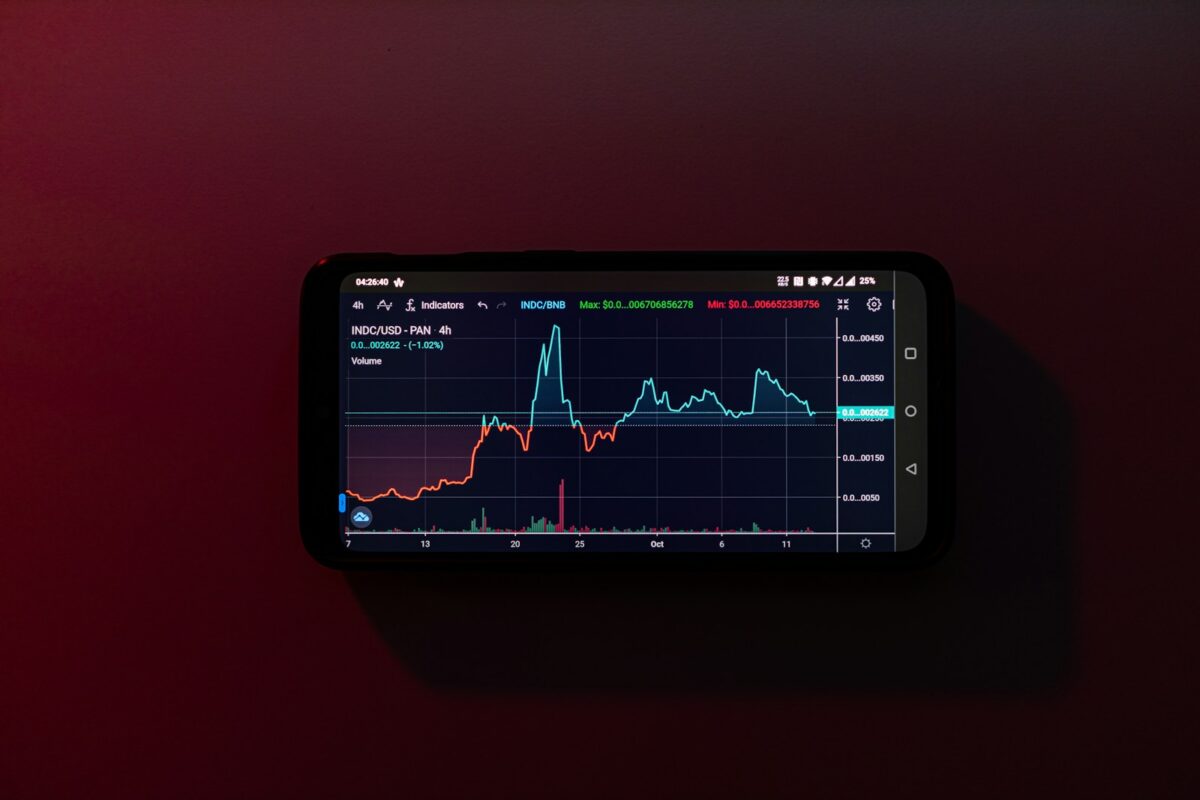
Engaging with targeted forums on reddit provides direct access to specialized knowledge and real-time support for inquiries related to blockchain tokens. Active subreddits serve as dynamic hubs where participants exchange insights, troubleshoot technical challenges, and clarify complex mechanisms through collaborative discussion.
The value of these interactive groups lies in their continuous sharing of verified information alongside user-generated experiences. By observing question threads and contributing to conversations, individuals can deepen understanding of market trends, security practices, and emerging protocols. This iterative process sharpens analytical skills while expanding practical expertise.
For those aiming to build competence in decentralized finance topics, involvement in such social clusters offers a pathway from curiosity-driven investigation to structured learning. These networks encourage methodical exploration by prompting thoughtful queries and providing diverse perspectives that challenge assumptions and stimulate critical thinking.
Reddit Cryptocurrency Communities Learning Resources
Engaging with specialized discussion platforms remains one of the most effective methods to deepen understanding of blockchain technologies and asset management. These online forums host a wide array of user-generated content, including technical analyses, real-time market updates, and protocol-specific tutorials. Active participants benefit from continuous knowledge exchange facilitated by peer support and critical questioning that challenge assumptions and promote clarity.
Also Read: Support resistance levels
Focused groups dedicated to decentralized finance and tokenomics often curate extensive repositories of educational materials. These include step-by-step guides on smart contract deployment, wallet security protocols, and consensus mechanism comparisons. In addition to static resources, dynamic interaction through Q&A threads enables learners to test hypotheses under community scrutiny, refining their comprehension through iterative feedback loops.
Mechanisms for Knowledge Sharing and Support
Technical forums excel in providing structured spaces where users can post detailed inquiries ranging from cryptographic algorithms to network scalability solutions. The collaborative environment encourages sharing code snippets, deploying simulations, or analyzing transaction data sets collectively. Moreover, mentorship opportunities frequently arise within these groups as experienced developers and analysts offer nuanced insights into complex subjects.
Many discussion channels implement tagging systems for categorization by topic or difficulty level. This organization facilitates targeted exploration–for example:
- Layer-1 vs Layer-2 solutions
- Decentralized application (dApp) development frameworks
- Market sentiment indicators based on on-chain metrics
This systematic approach supports progressive learning trajectories tailored to individual expertise levels while maintaining accessibility for newcomers.
Also Read: Tax education for crypto
A notable case study involves the collective analysis of Ethereum’s London Hard Fork upgrade within such interactive environments. Participants dissected EIP-1559’s fee mechanism alterations through empirical data reviews combined with theoretical modeling discussions. This method demonstrated how active engagement fosters deeper insight beyond passive reading by encouraging experimental hypothesis testing among peers.
The integration of such diversified resources within active hubs promotes continuous skill refinement and adaptation to evolving protocols–critical factors for sustaining proficiency in this domain. Participation is encouraged not only for information consumption but also through constructive contribution that advances collective intelligence across multiple technical dimensions.
Finding Reliable Subreddits
Identifying trustworthy forums for support and knowledge exchange is fundamental for meaningful engagement within decentralized ledger technology discussions. Prioritize subreddits that demonstrate consistent moderation, clear posting guidelines, and active participation from verified experts. These elements reduce misinformation and promote constructive dialogue on complex protocol mechanisms or market dynamics.
Effective communities often feature pinned posts or wiki sections that address frequent questions with references to whitepapers, development roadmaps, or audit reports. Such resources enhance foundational understanding and encourage members to contribute informed perspectives rather than speculative claims. Evaluating the presence of these educational tools offers a practical metric for subreddit reliability.
Also Read: Economics crypto principles
Technical Criteria for Evaluating Communities
The analysis of forum activity should incorporate metrics such as the ratio of question-to-answer rates, response latency, and the depth of technical explanations provided by contributors. For example, in certain blockchain-focused groups, expert users frequently cite GitHub repositories or link to consensus algorithm documentation when addressing inquiries about protocol upgrades or security vulnerabilities. This practice reflects a community’s commitment to evidence-based sharing.
Moreover, the integration of AMA (Ask Me Anything) sessions featuring developers or researchers can serve as an indicator of a community’s connection to authoritative sources. Such interactions facilitate direct clarification on implementation nuances, cryptographic primitives used, and interoperability challenges among distributed ledgers. Subreddits hosting regular AMAs tend to cultivate higher trust levels among participants seeking accurate information.
An additional approach involves assessing cross-community collaboration through linked discussions or shared threads between related thematic groups. Communities that actively reference external specialized forums or academic publications exemplify an ecosystem where knowledge exchange transcends isolated echo chambers. This interconnectedness enhances collective problem-solving capabilities concerning scalability issues or consensus mechanism trade-offs.
Finally, one should consider the historical consistency of subreddit moderation in curbing spam and preventing manipulation attempts such as pump-and-dump schemes or misinformation campaigns targeting token valuation debates. Transparent enforcement policies combined with user reporting systems contribute significantly to maintaining discussion quality and safeguarding intellectual integrity within these digital hubs.
Using Reddit for Market Analysis
Accessing discussions on specialized subforums allows analysts to identify real-time sentiment shifts and emerging trends. Monitoring frequent sharing of technical reports, price predictions, and project updates within niche groups enhances situational awareness. These platforms serve as dynamic knowledge hubs where participants exchange insights, perform peer reviews, and offer critical feedback, creating a decentralized validation mechanism.
Structured observation of thematic subreddits provides valuable data points such as volume of posts, upvotes ratio, and comment engagement metrics that correlate with market movements. Utilizing these quantitative indicators alongside qualitative content evaluation can improve forecasting models. For example, spikes in discussion frequency often precede volatility events, enabling timely strategic decisions.
Technical Insights from Forum Interactions
The interplay between users in dedicated discussion boards facilitates crowdsourced problem-solving and innovation tracking. Detailed walkthroughs of protocol upgrades or security audits shared within these spaces contribute to collective understanding. Analysts can extract nuanced interpretations by comparing diverse viewpoints and evaluating technical jargon usage patterns across threads.
Support networks found within these digital assemblies also provide early warnings about project challenges through grassroots reporting. When developers or enthusiasts report bugs or delays firsthand, this bottom-up information flow complements official announcements. Incorporating this layer into analytical frameworks enriches the depth and accuracy of market assessments.
Identifying Scam Warnings
Start by critically assessing the answers to questions posed within specialized forums dedicated to decentralized finance and blockchain projects. Scammers often avoid technical depth or provide inconsistent explanations when challenged on protocol specifics or tokenomics. Engaging in detailed discussions about consensus algorithms, smart contract audits, or token distribution mechanisms can reveal discrepancies that flag potential fraud attempts.
Subforums and discussion boards centered on blockchain technology offer an invaluable repository of collective expertise. Monitoring patterns in user support requests, such as repeated claims of lost funds or unfulfilled promises of returns, helps identify red flags. Anomalies like non-transparent wallet addresses or unverifiable team credentials frequently surface through persistent inquiry by knowledgeable members.
Technical Markers of Fraudulent Schemes
Examine whitepapers and project documentation for inconsistencies in cryptographic protocols or unrealistic yield projections. Scam operations often misrepresent staking rewards or use ambiguous language around token utility to entice inexperienced investors. Comparing these documents against verified technical standards and audit reports from reputable firms provides a benchmark for legitimacy.
- Lack of verifiable smart contract code: Absence of open-source repositories on platforms like GitHub is a significant warning sign.
- No independent audit reports: Reliable projects undergo third-party security assessments; their absence should prompt skepticism.
- Unusual tokenomics: Excessive inflation rates or disproportionate allocation to founders may indicate intent to manipulate market value.
The dynamics within thematic online groups reflect broader sentiment trends but also expose suspicious promotional tactics. Persistent overhyping without substantive technical dialogue often correlates with pump-and-dump schemes. Scrutinizing comment histories and cross-referencing multiple subgroups’ insights can confirm whether enthusiasm is organic or artificially generated.
A practical method involves posing targeted inquiries regarding transaction transparency, governance models, and interoperability features directly within these interactive spaces. Responses that evade direct answers or redirect users toward private channels warrant caution. Encouraging community members to share empirical data such as block explorer links strengthens collective vigilance against deceptive practices.
Engaging in Community Discussions
Active participation in specialized forums dedicated to decentralized finance and tokenized assets enhances both individual expertise and collective insight. Providing support through informed answers to technical questions creates a foundation for robust dialogue, allowing participants to refine their understanding of blockchain protocols, consensus mechanisms, and smart contract vulnerabilities. Engaging directly with peers in focused subforums accelerates knowledge transfer by exposing contributors to diverse perspectives on transaction throughput optimization, cryptographic standards, or network scalability challenges.
Sharing empirical data and well-reasoned analysis within these interactive groups promotes clarity amidst complex debates. For instance, dissecting the implications of Ethereum’s shift from Proof-of-Work to Proof-of-Stake within relevant discussion boards illuminates real-world impacts on energy consumption and validator incentives. This methodical exchange fosters an environment where nuanced inquiries–ranging from tokenomics models to cross-chain interoperability–are met with evidence-based responses rather than speculation.
Structured Approaches to Collaborative Learning
Participants benefit from leveraging subreddit-specific guidelines that emphasize citation of whitepapers, audit reports, or GitHub repositories when contributing. Such rigor ensures discussions maintain technical accuracy and mitigate misinformation risks. Employing stepwise explanations–for example, detailing how Layer 2 solutions reduce gas fees through off-chain computations–enables even newcomers to grasp underlying principles while encouraging further exploration.
A valuable technique involves posing incremental questions that challenge assumptions about cryptographic security or decentralized governance frameworks. This encourages the community to validate hypotheses experimentally by referencing testnet deployments or analyzing transaction finality times under different consensus algorithms. Through this iterative process, members collectively construct a more comprehensive understanding of evolving protocol dynamics.
Monitoring trends across multiple subforums reveals patterns in user concerns and emerging topics worthy of deeper investigation. Data visualization tools integrated into discussion platforms can map sentiment shifts around developments like zero-knowledge proofs or NFT standards compliance. By synthesizing such insights with shared experiential knowledge, contributors enhance their capacity for critical evaluation and strategic decision-making related to asset management or protocol development trajectories.
Conclusion: Accessing Educational Content in Decentralized Knowledge Hubs
Engaging with specialized forums dedicated to blockchain and digital asset technologies provides a dynamic ecosystem for acquiring precise knowledge through active discussion and targeted sharing. These platforms excel at delivering rapid responses to technical questions, enabling participants to test hypotheses about consensus algorithms, smart contract vulnerabilities, or cryptographic protocols within a collaborative environment.
The aggregation of diverse expertise across multiple thematic subforums allows users to traverse complex topics such as layer-2 scaling solutions or zero-knowledge proofs incrementally, supported by peer validation and critical feedback. This model encourages iterative learning cycles where practical experimentation complements theoretical understanding, strengthening both conceptual clarity and applied skills.
Broader Impact and Future Directions
- Decentralized knowledge exchanges will increasingly integrate advanced AI moderation tools that filter misinformation while highlighting nuanced debates on protocol upgrades or tokenomics innovations.
- Cross-subreddit collaboration may evolve into interoperable educational frameworks where modular courses are co-created through cumulative community input, enhancing accessibility to complex subjects like sharding or off-chain computation.
- Real-time analytics dashboards embedded within discussion hubs could track emerging trends in developer queries or consensus disputes, offering predictive insights into ecosystem shifts before formal publications emerge.
- Enhanced support mechanisms, including mentorship pairings and live problem-solving sessions, will accelerate skill acquisition, fostering experimental mindsets vital for navigating evolving cryptographic standards and decentralized governance models.
The continuous exchange of verified information within these forums not only democratizes access to cutting-edge research but also catalyzes innovation by cultivating an informed user base capable of critically assessing protocol changes. This iterative knowledge transfer reinforces resilience against misinformation and equips participants with the analytical tools necessary for contributing meaningfully to blockchain advancements.
Encouraging deeper inquiry through structured yet flexible dialogue promotes mastery over intricate concepts such as token interoperability layers or privacy-enhancing technologies. Thus, these interactive platforms function as living laboratories–where theoretical constructs meet empirical testing–advancing collective understanding while nurturing the next generation of blockchain experts.
You might also like