
Cream Finance lending
 Chris
3 weeks ago
Chris
3 weeks ago
 Chris
3 weeks ago
Chris
3 weeks ago
 Chris
3 weeks ago
Chris
3 weeks ago
 Chris
3 weeks ago
Chris
3 weeks ago
Chris
3 weeks ago
Chris
3 weeks ago



Effective oversight of asset collections requires precise instruments designed for continuous examination and refinement. Utilizing advanced monitoring frameworks enables systematic evaluation of component performance, risk distribution, and return dynamics. These analytical platforms support iterative optimization by highlighting underperforming elements and suggesting rebalancing opportunities to align with targeted objectives. Management strategies grounded in quantitative data facilitate […]
Chris
3 months ago

Non-fungible tokens represent unique digital assets that can be utilized as interactive collectibles to transform traditional learning methods. By embedding verifiable ownership and provenance into each token, educators can deliver specialized materials that students can engage with directly, increasing motivation and retention. Transforming instructional resources into tokenized formats allows for modular, customizable pathways in acquiring […]
Chris
3 months ago
To enhance Ethereum’s throughput without compromising security, second-layer protocols operate by processing transactions off the main chain while anchoring their results on it. These mechanisms enable greater scalability by batching multiple operations and submitting compressed data back to Ethereum, significantly reducing gas costs and network congestion. The core principle involves assuming transaction validity by default, […]
Chris
4 months ago

The integration of blockchain technology with interactive entertainment has created unprecedented opportunities for asset ownership and transfer. This ecosystem enables users to manage unique digital items, commonly known as NFTs, that hold verifiable scarcity and provenance on distributed ledgers. Leveraging this approach facilitates secure trading, cross-application compatibility, and true user control over in-game possessions. One […]
Chris
4 months ago

Network rule changes can trigger a reorg when competing chains emerge, forcing nodes to adopt the longest valid sequence of blocks. This process occurs as consensus algorithms resolve discrepancies by discarding previously accepted blocks in favor of a superior chain segment. Such occurrences directly impact transaction finality and node synchronization across the distributed ledger. Analyzing […]
Chris
4 months ago
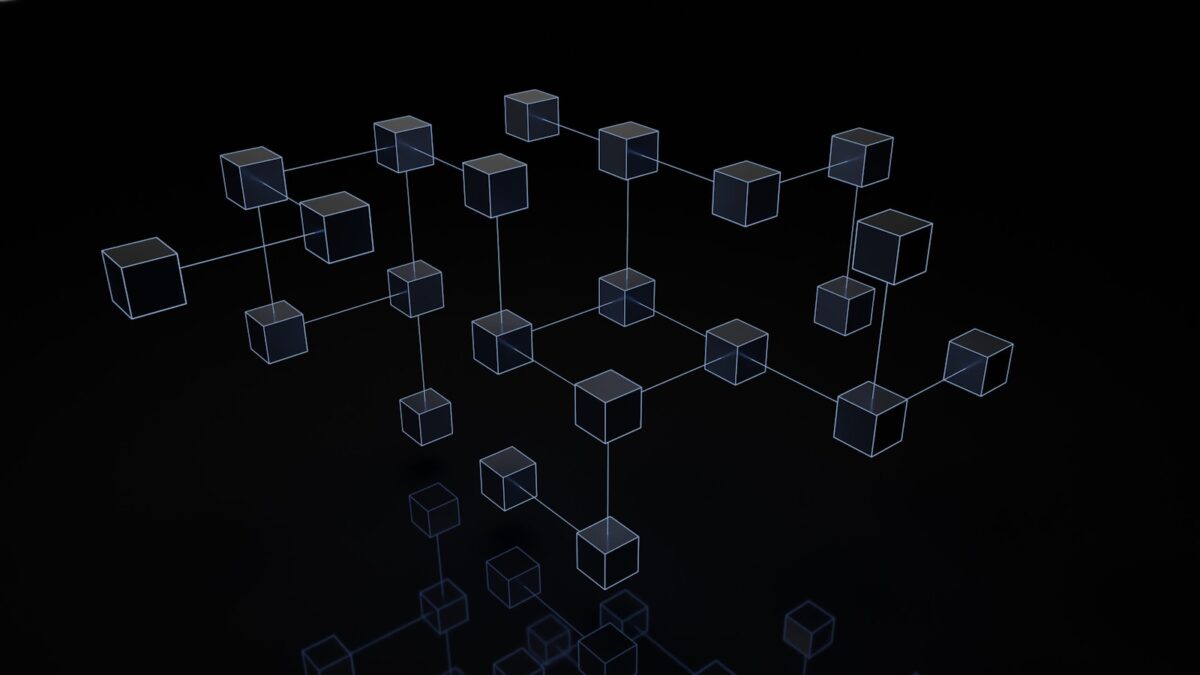
Off-chain approaches such as rollups and sidechains play a pivotal role in increasing transaction throughput by processing operations outside the main blockchain. These methods reduce congestion on the base layer, enabling faster and more cost-effective interactions without compromising security. Rollups bundle multiple transactions into a single proof submitted to the main network, optimizing data storage […]
Chris
4 months ago

Permissionless ledgers operate without centralized control, enabling unrestricted participation and fostering unparalleled transparency. Their open architecture supports a wide array of cases requiring verifiable data integrity across untrusted participants, such as decentralized finance and public asset registries. Conversely, permissioned ecosystems restrict access through controlled governance, allowing entities to define who can read or write data. […]
Chris
4 months ago

Proof-of-work establishes trust by requiring participants to solve complex cryptographic puzzles, ensuring that block creation demands significant computational effort. This approach resists malicious actors by making attacks economically impractical, but it consumes substantial energy and limits transaction throughput. Proof-of-stake selects validators based on the amount of cryptocurrency they hold and are willing to lock up […]
Chris
4 months ago

Storing multiple copies of your recovery key offline is the most reliable approach to prevent loss and unauthorized access. Avoid digital storage methods vulnerable to hacking or data corruption; instead, rely on physical backups such as engraved metal plates or securely stored paper notes. Each copy should be kept in a separate, secure location to […]
Chris
4 months ago

Cryptocurrency represents a form of digital money secured by cryptographic techniques and maintained through decentralized networks. Unlike traditional currencies controlled by central authorities, this technology relies on distributed ledgers known as blockchain, which record transactions transparently and immutably. Understanding these basics enables one to grasp how value is transferred without intermediaries, ensuring trust through code […]
Chris
4 months ago