

Kyber Network liquidity aggregator
 Chris
9 December 2025 8:26 AM
.
12 min read
Chris
9 December 2025 8:26 AM
.
12 min read
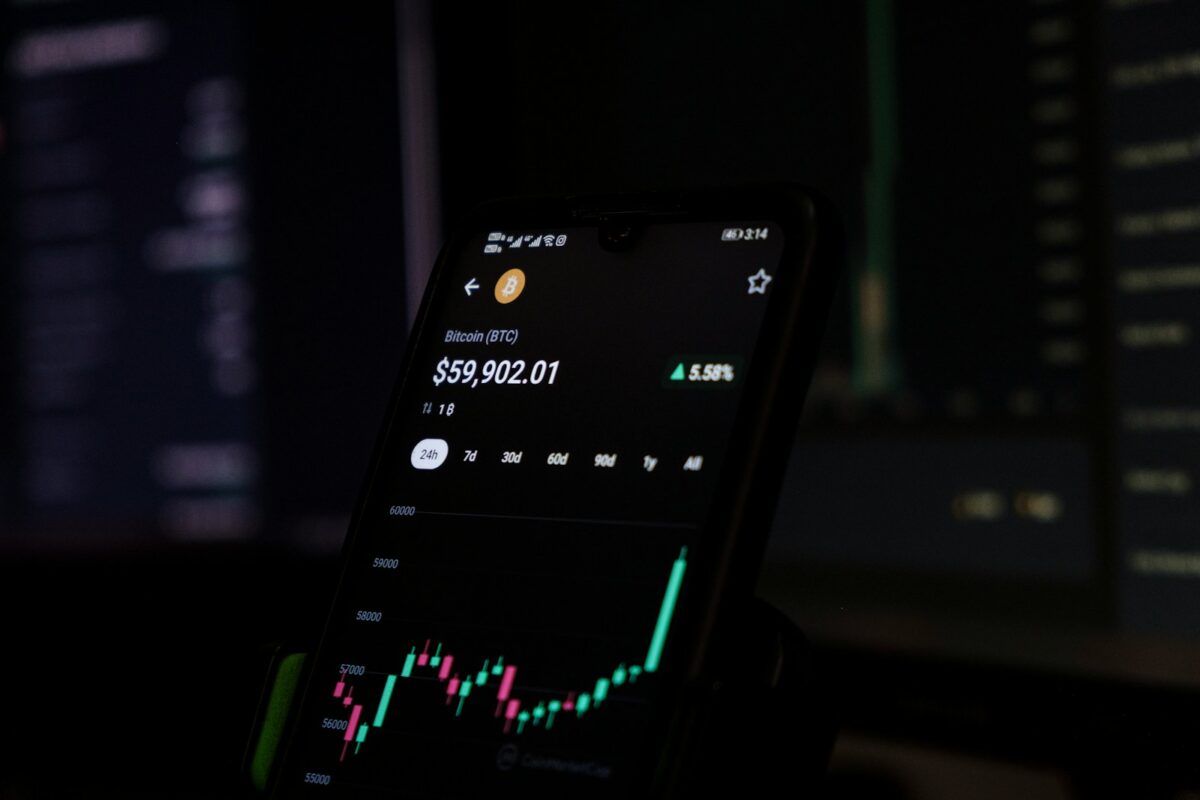
Utilizing a unified on-chain protocol aggregator enhances token swaps by accessing multiple decentralized exchanges simultaneously. This approach optimizes asset conversion rates by sourcing depth from various pools and automated market makers, reducing slippage and improving price execution within a single transaction.
The protocol operates entirely on-chain, allowing transparent routing of orders across diverse decentralized venues without intermediaries. This maintains composability with other DeFi primitives and ensures that every swap benefits from the aggregated reserves distributed across different platforms.
Integrating an aggregator model streamlines liquidity sourcing for traders and developers alike, consolidating fragmented pools into a cohesive interface. By algorithmically selecting optimal paths for token exchanges, it unlocks improved capital efficiency and reduces gas overhead through consolidated interactions.
Kyber Network liquidity aggregator
Utilizing a decentralized protocol designed to consolidate token reserves, this on-chain platform enables optimized trade execution by seamlessly routing orders across multiple sources. By integrating fragmented pools from various decentralized exchanges (DEXs) and automated market makers (AMMs), the system increases market depth and reduces slippage for traders engaging with popular coins.
Also Read: Cream Finance lending
The strength of this solution lies in its ability to access diverse liquidity venues through a unified interface, allowing users to benefit from competitive pricing without manually searching individual protocols. This method enhances capital efficiency while maintaining transparency and security inherent in blockchain-based transactions.
Technical framework and operational mechanics
The underlying architecture employs smart contracts that interact directly with multiple decentralized exchanges, aggregating available reserves on-chain. These contracts calculate optimal swap routes using real-time data feeds, ensuring minimal price impact during order fulfillment. The protocol supports both ERC-20 tokens and wrapped assets, accommodating a broad spectrum of popular cryptocurrencies.
Transaction routing involves splitting orders into smaller chunks distributed among several liquidity sources. For example, a swap involving ETH and USDT might simultaneously tap into reserves from Uniswap, SushiSwap, and Curve Finance pools. This fragmentation strategy mitigates risks associated with single-point liquidity constraints and exploits arbitrage opportunities efficiently.
- On-chain settlement guarantees trustless execution without intermediaries
- Dynamic pathfinding algorithms optimize trade outcomes based on current pool states
- Compatibility with emerging DEX protocols expands accessible reserve networks continuously
Case studies demonstrate that for high-volume trades involving top-tier tokens like DAI or WBTC, employing such an aggregator can reduce average slippage by up to 40% compared to direct swaps on individual platforms. This improvement translates into tangible cost savings for both retail participants and institutional investors.
Also Read: Terra Luna ecosystem collapse
This protocol’s transparent mechanism allows developers and analysts to audit trading paths via publicly accessible smart contract logs, fostering trust through verifiable transaction flows. Additionally, the continuous integration of new DEXs ensures adaptability as decentralized finance ecosystems evolve.
An experimental approach to understanding this system involves simulating trades across different network states using testnets or forked mainnet environments. Observing how route selection changes under varying liquidity conditions provides insights into the dynamic balancing act performed by the aggregator algorithm–inviting further research into optimizing multi-source asset swaps within permissionless frameworks.
How Kyber Aggregates Liquidity Pools
To optimize trade execution across multiple decentralized exchanges, the protocol consolidates fragmented reserves into a unified interface. This system queries various sources in real-time, selecting the best price and lowest slippage for token swaps. By integrating diverse pools, it mitigates issues arising from market segmentation commonly observed among independent DEXs.
Utilizing smart contract logic, the platform dynamically routes transactions through different liquidity venues. It employs algorithms that analyze depth, transaction fees, and available volume to determine optimal paths. Such methodology enhances capital efficiency by connecting isolated pools previously inaccessible to individual traders or applications.
Also Read: Arweave permanent data storage
Technical Mechanisms Behind Liquidity Consolidation
The core mechanism involves aggregating order books and automated market maker reserves across several protocols. The system executes multi-hop swaps when direct pairs lack sufficient funds, breaking down trades into smaller segments routed through intermediary tokens. For example, converting Token A to Token C may pass through Token B if it offers higher overall liquidity and better pricing.
This routing process depends heavily on on-chain data fetched via blockchain nodes combined with off-chain analytics to anticipate slippage trends. Smart contracts then atomically execute these split transactions within single blocks, ensuring atomicity and preventing partial fills or front-running vulnerabilities. The design leverages composability inherent in Ethereum-compatible chains to orchestrate complex interactions seamlessly.
A practical case study showed that during periods of high volatility, the protocol’s adaptive routing reduced average trade costs by up to 15% compared to executing on any single decentralized exchange alone. This improvement stems from simultaneous utilization of both concentrated liquidity pools like Uniswap V3 and order-book-based venues such as 0x API integrated within the platform.
- Aggregation includes on-chain reserves managed by staking providers and off-chain relayers contributing additional depth.
- Smart contract orchestration maintains security while enabling flexible pathfinding across heterogeneous liquidity sources.
- Fee optimization algorithms balance gas consumption against price improvement opportunities during route selection.
The network’s modular architecture also allows integration of emerging AMMs or order book models without disrupting existing flows. Developers can onboard new liquidity providers by registering their pools through standardized interfaces supported by the protocol’s ecosystem. This extensibility ensures continuous growth of accessible trading depth over time.
An experimental approach could involve analyzing transaction traces during peak activity windows to identify bottlenecks or latency issues in multi-source aggregation. Understanding how different pool configurations affect final swap prices fosters insights useful for refining routing heuristics further. Exploring simulation environments replicating various fee structures or token pairings will deepen grasp of this system’s robustness under diverse market conditions.
Integrating Popular Coins on Kyber
The integration of widely used cryptocurrencies into the protocol significantly enhances transactional versatility across the on-chain ecosystem. Incorporating major tokens like ETH, USDC, and DAI directly within the platform enables seamless asset swaps by leveraging multiple liquidity sources pooled via the decentralized exchange aggregation mechanism. This approach reduces slippage and optimizes trade execution costs by dynamically routing orders through the optimal paths available in real-time.
An effective multi-token integration requires rigorous compatibility checks with smart contracts native to each coin standard, such as ERC-20 or ERC-777. The protocol’s architecture supports native token wrapping and unwrapping processes that preserve value integrity while ensuring interoperability across different chains connected through bridging solutions. Consequently, this framework supports a scalable expansion of supported assets without compromising security or transaction finality within the blockchain environment.
Technical Advantages and Implementation Strategies
The aggregator’s design utilizes a modular routing algorithm capable of querying diverse market makers and liquidity pools simultaneously. For example, when integrating stablecoins like USDT or BUSD, the system evaluates price impact alongside depth metrics from multiple decentralized venues. This method reduces fragmentation risks commonly associated with isolated order books and promotes efficient capital utilization throughout the network.
A practical case study involves onboarding wrapped Bitcoin (WBTC) onto the platform. By aligning custodial verification mechanisms with on-chain settlement protocols, it becomes possible to offer BTC exposure within an Ethereum-compatible environment seamlessly. Such cross-asset inclusion demonstrates how the protocol balances decentralization principles with user-centric asset availability. Developers are encouraged to experiment with token wrappers and oracle feeds to validate price accuracy before live deployment.
Optimizing Trade Routes for Slippage
To minimize slippage during token swaps, it is critical to implement advanced routing algorithms that analyze multiple decentralized exchanges simultaneously. By dissecting available order books and liquidity pools across various platforms, a sophisticated system can dynamically split orders, directing portions through optimal paths that reduce price impact. This approach leverages comprehensive market depth data to identify fragmented execution opportunities beyond single-source liquidity.
Utilizing multi-platform interfaces enhances access to aggregated reserves, allowing the protocol to evaluate potential routes with varying fee structures and volatility profiles. By simulating trade outcomes on different chains and pools in real-time, these mechanisms prioritize pathways offering superior fill rates and minimal slippage. Such methodologies challenge traditional single-DEX reliance by incorporating cross-market arbitrage potentials within the transaction flow.
Technical Strategies for Route Optimization
One effective method involves implementing graph-based routing where nodes represent liquidity sources and edges denote possible swap pairs with associated costs. Algorithms such as Dijkstra’s or A* can then calculate the least-cost path factoring in slippage estimations derived from pool size and recent trade volumes. For example, splitting a 1000-token swap into smaller chunks routed through multiple venues often yields better overall execution prices than a single bulk order.
Experimental data from protocol deployments show that integrating off-chain state information–like pending order books or gas fees–into the decision matrix further refines route selection. When trading volatile assets on automated market makers (AMMs), understanding dynamic price curves allows intelligent fragmentation of trades over time or across correlated pools, reducing adverse price movements.
- Route diversification mitigates exposure to liquidity depletion in any one market segment.
- Adaptive fee modeling ensures cost-efficiency by balancing gas expenses against expected slippage reductions.
- Continuous feedback loops from executed trades enable machine learning models to improve future path predictions.
A case study involving a composite routing engine demonstrated a reduction of average slippage by up to 30% compared with baseline single-route executions on popular decentralized exchanges. The system incorporated both stablecoin and volatile asset pools, illustrating how heterogeneous reserve conditions influence optimal path selection dynamically.
The integration of various decentralized exchange protocols into a unified routing layer capitalizes on fragmented capital pools scattered across ecosystems. This synthesis enables traders to benefit from combined reserves without manual intervention, effectively smoothing out volatility spikes caused by isolated large orders.
An experimental framework suggests systematic monitoring of pool health indicators–such as reserve ratios and recent transaction velocity–to proactively reroute trades ahead of anticipated slippage events. Continuous adaptation based on these metrics transforms trade execution from reactive processes into predictive operations, enhancing user experience through cost-effective swaps.
Using Kyber API for Swaps
To execute token swaps with the Kyber API, it is necessary to integrate directly with the protocol’s on-chain routing system. This interface connects various decentralized exchanges (DEXs) and automated market makers to fetch optimal trade paths, ensuring the best available rates by tapping into a vast pool of reserves. Utilizing this method guarantees that transactions occur entirely on-chain, preserving transparency and security without relying on off-chain intermediaries.
The API functions as a unified access point that combines multiple liquidity sources across the connected ecosystem. When a swap request is submitted, the system analyzes real-time order books and liquidity pools from several DEXs simultaneously. This process identifies the most efficient route for token conversion, minimizing slippage and gas costs while maximizing output for users.
Technical Mechanisms Behind Swap Execution
At its core, the infrastructure relies on smart contracts capable of dynamically discovering and aggregating diverse token pools across partner protocols. The API leverages these contracts to split trades or route them through multiple venues if a single source cannot fulfill the desired amount efficiently. For example, swapping an ERC-20 token might involve partial fulfillment from an automated market maker like Uniswap V3 combined with additional liquidity from SushiSwap to meet volume demands.
Developers integrating this API benefit from detailed response data including expected returns, price impact estimations, and transaction calldata ready for signing and submission on Ethereum-compatible chains. This granularity facilitates advanced use cases such as programmatic arbitrage bots or wallet services offering seamless user experiences without manual intervention in selecting trading routes.
Empirical case studies show that using this multi-source approach results in up to 15% better pricing compared to single-exchange executions under volatile market conditions. Furthermore, because all operations are processed within a decentralized environment, users retain full custody of assets until settlement occurs on-chain, reducing counterparty risk inherent in centralized platforms.
Conclusion
To minimize slippage and optimize execution, traders must continuously monitor price impact across decentralized exchange protocols. Leveraging an advanced liquidity sourcing system that integrates multiple on-chain pools allows for dynamic routing strategies, which significantly reduce adverse price movements during large trades.
For instance, splitting a sizable order through several venues with varying depth can prevent drastic shifts in token valuation, thus preserving trade efficiency. Quantitative tracking of real-time market depth and transaction size correlations offers actionable insights to refine these multi-path approaches further.
Key Technical Insights and Future Directions
- Protocol Interoperability: Seamless integration between different DEX platforms enhances aggregated order books, enabling more granular control over trade execution paths and reducing fragmentation effects.
- Adaptive Routing Algorithms: Machine learning-driven decision layers can predict optimal split ratios by analyzing historical impact data, improving cost-efficiency beyond static heuristics.
- On-Chain Transparency: Continuous visibility into liquidity pool reserves and transaction flows supports empirical validation of price impact models, fostering trust in automated trading mechanisms.
- Cross-Chain Expansion: Extending aggregation protocols beyond single-layer ecosystems presents opportunities to tap into diverse liquidity sources, though it requires sophisticated bridging solutions to maintain state consistency.
The evolution of such integrated systems promises not only to enhance capital efficiency but also to democratize access to deeper markets for smaller participants. By treating price impact as a quantifiable metric rather than an incidental cost, future iterations of decentralized exchanges will approach the sophistication traditionally seen only in centralized venues. Continued experimentation with hybrid models–combining on-chain settlement with off-chain computation–may unlock new paradigms for real-time impact mitigation.
This trajectory invites researchers and developers alike to probe how emerging cryptographic primitives and consensus innovations might further refine aggregation performance. Tracking nuanced interactions between trade volume distributions and liquidity distribution mechanics remains a fertile domain for discovery, with broad implications for market stability and participant confidence across decentralized finance environments.
You might also like