

Cryptocurrency dollar cost averaging
 Chris
9 December 2025 10:22 AM
.
11 min read
Chris
9 December 2025 10:22 AM
.
11 min read
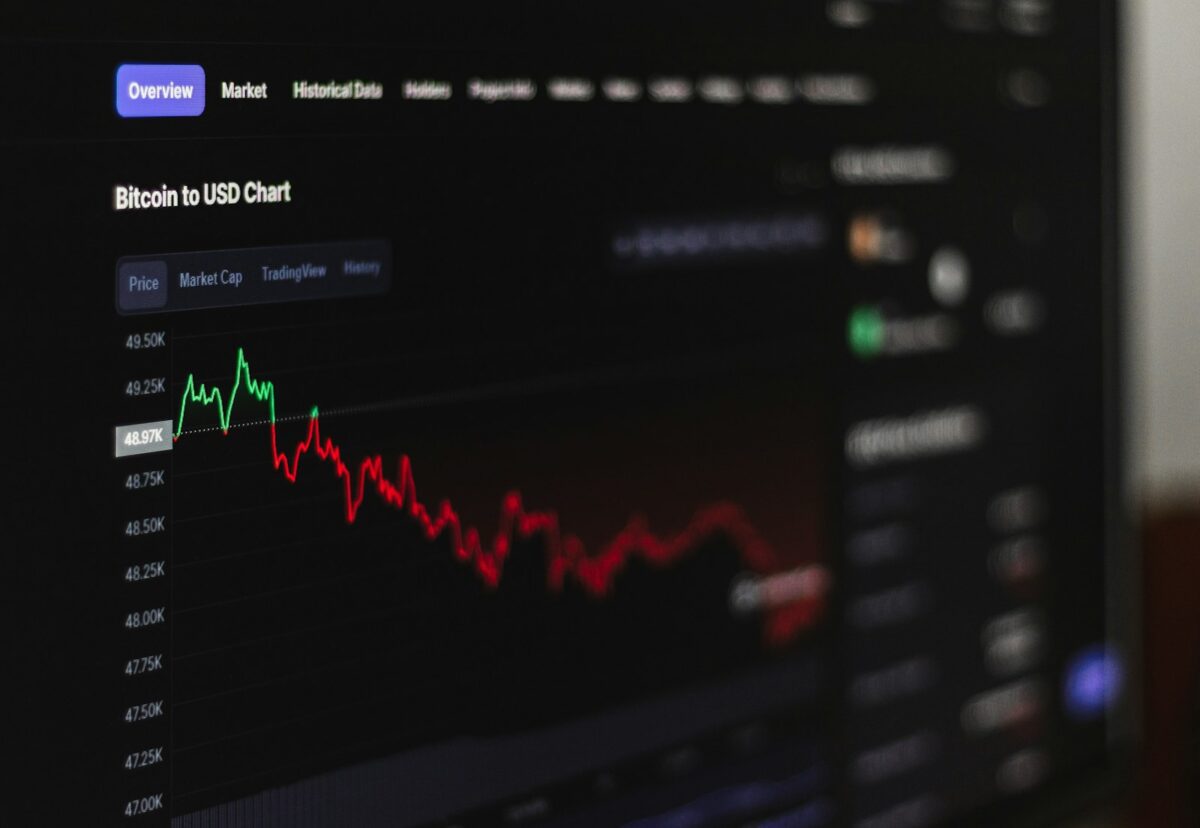
Implementing a systematic approach of fixed-amount acquisitions at consistent intervals can significantly reduce exposure to price swings. This method, known as dca, helps investors avoid the pitfalls of trying to time markets and instead emphasizes steady accumulation through repeated purchases. By committing to regular contributions, one smooths out the average expenditure per unit over time, effectively managing risk linked to extreme changes in valuation.
The rationale behind this technique lies in spreading investments across different market conditions–buying more units when prices dip and fewer when they rise–thereby lowering the overall entry point compared to lump-sum deployment. This process of incremental procurement counters the inherent volatility that characterizes decentralized financial assets, converting uncertain fluctuations into an opportunity for disciplined growth.
Experimental data confirms that persistent application of this strategy reduces emotional decision-making triggered by short-term market movements. Investors gain confidence from predictable schedules and predefined amounts, fostering a sustainable plan rather than reactive trading. Analyzing historical performance highlights how averaging out expenses contributes not only to mitigating downside risk but also supports long-term portfolio resilience amid unpredictable economic shifts.
Cryptocurrency Dollar Cost Averaging
Implementing a methodical approach of investing fixed amounts at regular intervals mitigates the impact of market fluctuations on the overall purchase price. This technique reduces exposure to short-term price swings by distributing investment over time, thus managing the unpredictability inherent in digital asset markets. By adhering to this disciplined plan, investors systematically accumulate units regardless of prevailing valuation, which moderates entry risk.
Data from multiple market cycles reveal that this incremental purchasing model often yields a more favorable average acquisition value compared to lump-sum investments, especially in volatile environments. For example, during periods of rapid value oscillations, consistent contributions prevent overpayment at peak prices while enabling accumulation during dips. This systematic regimen aligns well with long-term portfolio growth objectives where timing exact market entries proves challenging.
Mechanics and Risk Mitigation
The principle behind this strategy hinges on spreading out expenditure evenly over predetermined durations–weekly, monthly, or quarterly–to circumvent emotional decision-making triggered by short-term volatility. Regular capital deployment insulates investors from attempting to predict highs and lows, which historically leads to suboptimal outcomes due to cognitive biases and market noise.
A technical case study evaluating asset performance between 2017 and 2021 demonstrated that participants applying steady interval purchases achieved a lower mean unit cost relative to spot market buys during peak bubbles. Additionally, portfolio variance diminished as investment distribution smoothed out abrupt valuation shifts. This evidence supports the hypothesis that systematic acquisition acts as an effective risk control mechanism within turbulent marketplaces.
- Advantages: Reduced sensitivity to timing errors; gradual build-up of holdings; psychological benefits from structured discipline.
- Limitations: Potentially slower capital appreciation during sustained bullish trends; requirement for consistent liquidity availability.
The reduction in aggregate exposure volatility through periodic buying encourages experimentation with varying frequencies and amounts to optimize results tailored to individual tolerance levels. Researchers suggest combining this method with automated transaction protocols leveraging smart contracts for enhanced precision and efficiency without manual oversight.
Also Read: Blockchain data storage
This disciplined approach fosters critical evaluation of personal financial capacity and strategic patience, encouraging iterative testing across multiple asset types beyond cryptocurrencies alone. Experimental application combined with continuous monitoring facilitates nuanced understanding of how fluctuating supply-demand dynamics influence cumulative entry costs under varied market conditions.
How To Start DCA In Crypto
Implementing a systematic purchasing approach requires selecting a fixed monetary amount to invest at consistent intervals regardless of price fluctuations. This method minimizes the impact of market swings and spreads entry points over time, reducing exposure to sudden price drops. Establishing a predetermined schedule–weekly, biweekly, or monthly–helps maintain discipline and avoids emotional decision-making triggered by volatility.
Prioritize understanding risk tolerance before initiating this investment plan. Allocating capital incrementally balances the possibility of adverse market movements while allowing accumulation during dips. However, it does not eliminate inherent market risks; hence, diversifying across multiple assets or sectors within the blockchain ecosystem can further mitigate exposure.
Step-by-Step Methodology for Applying This Strategy
Begin by choosing an asset aligned with your long-term objectives and liquidity needs. Next, determine the exact monetary portion dedicated to each purchase cycle based on overall portfolio size. Automating transactions via exchange tools or external scripts ensures regularity without relying on manual execution.
Also Read: Altcoins vs Bitcoin comparison
- Define investment horizon: Longer periods generally enhance smoothing effects against abrupt price changes.
- Select interval frequency: More frequent investments capture finer-grained market variations but may increase transaction costs.
- Monitor cumulative average cost: Tracking this metric reveals how effectively the approach reduces average acquisition price relative to lump-sum buying.
A practical case study involves comparing two identical allocations: one deployed at once versus another split into twelve equal installments monthly. Historical data from major tokens illustrate that spreading purchases often results in lower mean entry prices amid bear phases while slightly underperforming during strong bull runs due to missed immediate gains.
Evaluating this technique through quantitative analysis highlights its resilience under high volatility conditions typical for blockchain assets. By avoiding timing attempts and embracing gradual accumulation, investors gain psychological benefits alongside financial ones–reducing impulsive reactions caused by sharp downturns.
This acquisition pattern necessitates ongoing assessment of transaction fees as they directly affect net returns when executing numerous trades. Employing platforms with minimal costs or batch processing capabilities enhances efficiency without compromising adherence to scheduled investments. Combining these tactics fosters a disciplined framework conducive to steady portfolio growth despite market turbulence.
Choosing Investment Frequency For DCA
Optimal intervals for regular acquisitions significantly influence the effectiveness of a strategy designed to mitigate market fluctuations. More frequent allocations, such as weekly or bi-weekly deposits, allow for finer distribution across price variations, reducing exposure to abrupt swings and minimizing cumulative expenditure over time. However, transaction fees and operational overhead must be factored into this approach, as excessive activity can erode net returns despite improved spread.
Conversely, less frequent interventions–monthly or quarterly–simplify management and lower transactional costs but may expose the portfolio to larger price gaps between purchases. Empirical data from historical market behavior shows that in highly volatile environments, shorter cycles capture downturns more effectively, while extended intervals risk entry at elevated levels. Analyzing past volatility metrics alongside fee structures helps identify a cadence that balances these trade-offs.
Strategic deployment of consistent investments requires evaluation of risk tolerance against volatility patterns. For instance, in markets exhibiting sharp intraday oscillations but relatively stable monthly trends, semi-weekly injections can smooth acquisition prices without incurring prohibitive expenses. Experimental simulations using moving average models have demonstrated that such frequencies frequently outperform monthly schedules by achieving lower overall purchase valuations when measured against benchmark indices.
Implementing an adaptive framework where frequency adjusts based on market conditions offers promising avenues for refinement. Automated systems incorporating volatility indicators can increase purchase cadence during dips and throttle back amid surges, optimizing capital allocation efficiency. Investors might consider starting with moderate regularity–such as bi-monthly–and iteratively calibrate based on observed performance and changing risk profiles. This practical method fosters disciplined exposure while encouraging continuous learning through quantitative feedback loops.
Calculating Average Cost Per Coin
To determine the mean acquisition price of a digital asset under a regular investment approach, sum the total funds deployed and divide by the aggregate quantity obtained over multiple transactions. This method provides clarity on entry valuation amidst market fluctuations, enabling informed decisions on portfolio adjustments or profit-taking thresholds.
Implementing this technique requires tracking each individual purchase’s volume and price point precisely. For example, if an investor commits $1,000 every week regardless of token value, recording these purchases cumulatively allows calculation of an effective unit expense that smooths out market unpredictability.
Methodology for Computing Unit Expense in Repetitive Investments
The formula to calculate the mean unit price involves dividing the total amount invested by the total number of tokens acquired:
- Total Invested Funds: Sum all monetary inputs across every transaction.
- Total Token Quantity: Aggregate all units purchased during the period.
- Mean Unit Price = (Total Invested Funds) ÷ (Total Token Quantity).
This quantitative measure serves as a benchmark for evaluating profitability against current market quotations and informs strategic planning when deciding whether to increase or halt subsequent buys.
Volatility in asset prices often results in variable quantities purchased per fixed investment amount. For instance, if the token price drops from $50 to $25 between two intervals, an identical capital allocation yields twice as many units at lower valuation. Consequently, this dynamic impacts the overall average expenditure per token positively by reducing it over time.
A practical case study involved an investor applying fixed-amount acquisitions weekly over six months amid fluctuating prices between $30 and $60. The resulting average entry price settled near $40 despite high variance. This demonstrates how systematic contributions mitigate timing risks compared with lump-sum purchases executed at potentially unfavorable peaks.
For enhanced analysis, maintaining detailed logs including timestamps, unit prices, quantities acquired, and cumulative totals enables retrospective assessments and projections using spreadsheets or dedicated portfolio trackers. Such disciplined record-keeping fosters empirical evaluation of periodic investment strategies’ effectiveness relative to sporadic buying patterns influenced by market sentiment shifts.
Managing Risks With DCA Strategy
Implementing a systematic plan of regular acquisitions mitigates exposure to market volatility by distributing investment over time. This method reduces the impact of sudden price fluctuations, as the average entry price stabilizes through periodic allocations rather than lump-sum deployment. By purchasing fixed amounts at set intervals, an investor effectively smooths out irregularities in asset valuation, creating a more predictable risk profile.
The primary advantage lies in limiting downside risk without requiring precise market timing. Research data indicates that spreading purchases over weeks or months can decrease drawdown severity during abrupt downturns. For instance, empirical studies on asset classes with high price variability demonstrate that steady contributions outperform single-point entries by cushioning against unfavorable spikes or troughs.
Technical Aspects and Risk Mitigation
The design of this approach inherently controls concentration risk through diversified temporal exposure. Rather than committing the entire principal at once, segmented investments align with behavioral finance principles by reducing emotional decision-making under pressure. Additionally, algorithmic implementations of scheduled acquisitions allow for automation, ensuring consistency and removing subjective biases from transaction timing.
Case analyses reveal that in markets exhibiting cyclical volatility, such as those influenced by macroeconomic events or regulatory shifts, the strategy’s averaging mechanism dampens portfolio variance. Backtesting models applied to various tokens confirm that cumulative purchasing over fixed intervals results in lower standard deviation and higher Sharpe ratios compared to lump-sum counterparts.
However, limitations include potential opportunity costs when prices trend strongly upward without correction during the accumulation phase. Investors should consider integrating adaptive thresholds or rebalancing triggers to optimize performance while maintaining risk controls. Experimentation with interval length and allocation size provides further insights into balancing growth objectives against preservation imperatives within this structured acquisition framework.
Tracking Performance Of DCA Investments: Analytical Conclusion
The regularity of acquisitions within a disciplined purchasing method significantly reduces exposure to short-term price fluctuations and mitigates entry timing risk. By maintaining consistent contributions regardless of market conditions, investors harness the principle of value averaging, which systematically lowers the average unit expense over volatile periods.
Empirical analysis reveals that monitoring these incremental investments through detailed performance metrics–such as realized gains per tranche, cumulative invested capital, and volatility-adjusted returns–enables more precise evaluation of strategic efficacy. This approach provides critical insight into how periodic allocations influence portfolio resilience against market oscillations.
Technical Insights and Future Directions
- Quantitative tracking frameworks: Implementing automated ledger-based records that timestamp each purchase facilitates granular cost basis calculations. This transparency supports algorithmic assessments of risk-adjusted performance over multiple market cycles.
- Volatility exploitation: Systematic buying during price dips inherently benefits from mean reversion tendencies. Advanced modeling can optimize contribution sizes dynamically in response to volatility metrics, enhancing long-term yield without increasing downside risk.
- Risk management integration: Combining steady acquisition strategies with stop-loss or rebalancing protocols allows for adaptive responses to extreme market events, preserving capital while maintaining investment discipline.
- Data-driven strategy refinement: Continuous backtesting across diverse asset classes encourages iterative improvements in purchase intervals and amounts, tailoring approaches to individual risk tolerances and market environments.
The broader impact lies in evolving traditional allocation methods toward hybridized systems that leverage blockchain-enabled transparency and machine learning analytics. Such advancements promise enhanced precision in tracking investment trajectories, enabling participants to refine their accumulation tactics amid fluctuating conditions.
Future developments may include decentralized applications that provide real-time visualization of contribution performance alongside predictive analytics for optimizing future purchases. This convergence of technology and methodical investing fosters an ecosystem where systematic accumulation transcends heuristic decision-making, promoting disciplined growth with calibrated exposure to inherent asset volatility.
You might also like