

Crypto Payment Cards: Turn Your Digital Assets Into Daily Income in 2026
 Chris
27 December 2025 2:16 PM
.
13 min read
Chris
27 December 2025 2:16 PM
.
13 min read
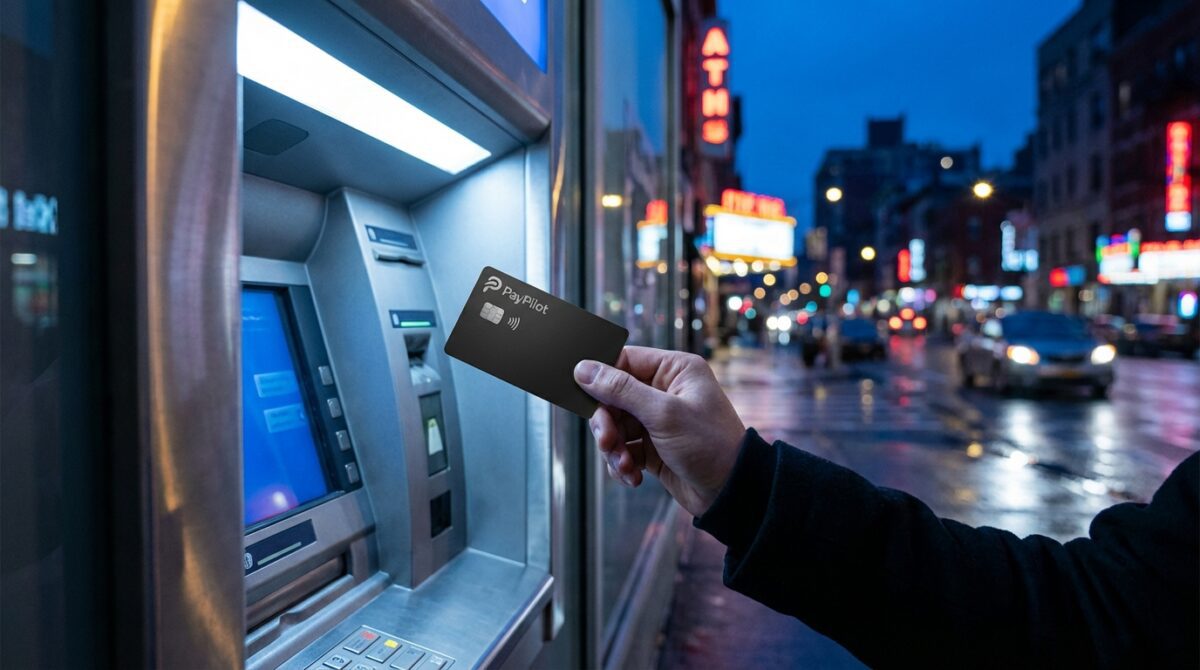
Building sustainable online income requires leveraging every available financial tool and opportunity. In 2026, one of the most practical yet underutilized instruments for crypto earners, freelancers, and digital entrepreneurs is the crypto payment card. These innovative financial products bridge the gap between your digital asset holdings and real-world spending, enabling you to monetize your cryptocurrency portfolio seamlessly while maintaining exposure to potential appreciation.
If you’re earning income through cryptocurrency—whether from freelance work, DeFi yield farming, NFT sales, or trading—you’ve likely faced the frustration of converting crypto to fiat through exchanges, waiting for bank transfers, and losing value to fees and delays. Crypto cards PayPilot eliminate these friction points by enabling instant spending of Bitcoin, Ethereum, stablecoins, and other digital assets anywhere Visa or Mastercard is accepted.
This guide explores how crypto payment cards work, why they’re essential tools for online income builders, and how platforms like PayPilot are making it easier than ever to turn your digital earnings into practical purchasing power. Whether you’re a full-time crypto professional or building a side hustle in the blockchain space, understanding these tools can significantly improve your cash flow management and financial flexibility.
How Crypto Payment Cards Actually Work
Understanding the mechanics behind crypto payment cards reveals why they’re so powerful for online income earners. These cards operate through a sophisticated multi-layer system that converts your cryptocurrency into spendable fiat currency in real-time.
Also Read: Blockchain data storage
When you make a purchase with a crypto payment card, the process unfolds in seconds: you initiate payment at a merchant or online store, the card platform automatically selects cryptocurrency from your connected wallet based on your preferences, the selected crypto is instantly converted to fiat currency (USD, EUR, etc.) at current market rates, and the merchant receives traditional currency payment without ever knowing crypto was involved.
The conversion engine aggregates real-time pricing from multiple major exchanges—Binance, Kraken, Coinbase, and others—to ensure you receive competitive rates and minimal slippage. Most platforms charge 1-1.5% conversion fees, which is significantly lower than traditional international wire transfer fees or currency exchange costs that online earners often face when working with global clients.
Security is built into every layer: your crypto remains in your wallet until the moment of transaction, multi-signature authorization prevents unauthorized access, the majority of platform funds stay in cold storage, and end-to-end encryption protects all transaction data. For online income builders who’ve worked hard to accumulate crypto earnings, these security measures provide essential peace of mind.
Why Crypto Payment Cards Are Essential for Online Income Builders
If you’re building income online through crypto-related activities, payment cards solve several critical problems that traditional banking can’t address effectively.
Also Read: Altcoins vs Bitcoin comparison
Instant Access to Your Earnings: Freelancers and contractors receiving payment in USDT, USDC, or other cryptocurrencies can spend their earnings immediately without waiting 2-3 days for exchange withdrawals and bank transfers. This improves cash flow significantly, especially for those relying on crypto income for daily expenses.
Reduced Conversion Costs: Traditional crypto-to-fiat conversion through exchanges and bank transfers can cost 2-3% or more in combined fees. Crypto payment cards typically charge 1-1.5%, effectively giving you a 1-2% raise on all your crypto earnings. For someone earning $50,000 annually in crypto, that’s $500-$1,000 in savings.
Portfolio Optimization: Smart online income builders hold some earnings in appreciating assets like Bitcoin or Ethereum while keeping operational cash in stablecoins. Payment cards let you spend strategically—use stablecoins for daily expenses while your BTC holdings potentially grow in value. This approach maximizes both stability and growth potential.
Global Income, Local Spending: If you’re earning from international clients paying in cryptocurrency, you can spend that income locally without dealing with forex fees and unfavorable bank exchange rates. This is particularly valuable for digital nomads and remote workers operating across multiple currencies.
Also Read: Blockchain immutability explained
According to recent data from Triple-A research, over 420 million people globally own cryptocurrency, with a significant portion earning income through blockchain-related work. Crypto payment cards are becoming essential infrastructure for this growing workforce.
PayPilot Card: European-Compliant Solution for Crypto Earners
PayPilot Card stands out in the crypto payment card market through its focus on regulatory compliance and user-friendly features tailored for online income builders. Operating under full EU regulations including the Markets in Crypto-Assets (MiCA) framework, PayPilot offers legal protections and transparency that many competitors lack.
The platform supports comprehensive cryptocurrency options: Bitcoin and Ethereum for long-term holdings, Litecoin, Cardano, and Polkadot for alternative options, and major stablecoins (USDT, USDC, DAI) for stable spending power. This flexibility allows you to optimize your payment strategy based on your income streams and financial goals.
Fee structure remains straightforward: 1-1.5% conversion fees when spending crypto, €2-3 flat fee for ATM withdrawals, zero monthly maintenance fees for standard accounts, and free virtual cards with €10 one-time fee for physical cards. For online income earners watching every percentage point, this transparency is crucial for accurate profit calculations.
The mobile app functions as your financial command center with real-time balance tracking across all cryptocurrencies, instant transaction notifications and detailed history, customizable spending limits and security controls, and 24/7 customer support in multiple languages. You can manage your entire crypto income and spending operation from one interface.
Getting started takes minimal time: 10-minute online registration, 24-hour KYC verification typically, immediate virtual card activation, and 7-10 day physical card delivery. For freelancers and online entrepreneurs who value efficiency, this streamlined onboarding means you can start monetizing your crypto earnings within a day.
Practical Strategies for Maximizing Crypto Card Benefits
Strategic use of crypto payment cards can significantly improve your online income operations and personal finance management. Here are proven approaches from successful crypto earners:
The Stablecoin Operating Account Strategy: Keep 1-3 months of living expenses in USDC or USDT on your crypto card for regular spending. This provides price stability while avoiding traditional banking fees. Meanwhile, excess earnings go into Bitcoin or Ethereum for long-term growth. This approach balances immediate liquidity needs with investment opportunities.
The Tax-Optimized Spending Method: In most jurisdictions, spending cryptocurrency triggers capital gains calculations. By spending stablecoins for regular expenses (minimal gain/loss) and holding volatile assets long-term (preferential tax treatment after 1+ years), you minimize tax complexity while maximizing after-tax returns. Platforms like PayPilot generate detailed transaction reports that simplify tax filing significantly.
The Freelance Cash Flow Optimizer: If you receive client payments in crypto irregularly, load your card immediately upon payment receipt rather than letting crypto sit on exchanges. This eliminates exchange hack risk, provides instant spending access if needed, and allows you to strategically DCA (dollar-cost-average) into long-term holdings with any surplus.
The International Savings Play: For digital nomads and international workers, use your crypto card for foreign purchases instead of traditional bank cards. The 1-1.5% crypto card fee beats the 2.5-4% most banks charge for foreign transactions. On $20,000 in annual international spending, you save $200-$500.
Research from CoinDesk indicates crypto payment card usage grew over 300% in the past year, largely driven by online workers and digital entrepreneurs adopting these optimization strategies.
Security Best Practices for Protecting Your Crypto Income
When your livelihood depends on crypto earnings, security becomes paramount. Crypto payment cards require the same diligent security practices as any other financial tool—perhaps even more so given the irreversible nature of cryptocurrency transactions.
Account Security Essentials: Use unique, strong passwords generated by password managers like Bitwarden or 1Password. Enable two-factor authentication (2FA) using authenticator apps, not SMS which is vulnerable to SIM swap attacks. Set up real-time transaction notifications so you’re immediately aware of any card activity. Regularly review your transaction history for any unauthorized charges.
Smart Fund Management: Treat your crypto payment card like a checking account—keep only what you need for near-term spending. Store the bulk of your crypto earnings in more secure cold storage solutions like hardware wallets (Ledger, Trezor). This separation ensures that even if your card account is compromised, your main crypto wealth remains protected.
Device Security: Keep your smartphone and computer updated with latest security patches. Use biometric authentication (fingerprint, Face ID) for the card app. Never access your crypto card account on public WiFi without a VPN. Be extremely vigilant about phishing—verify URLs carefully and never click suspicious links in emails claiming to be from your card provider.
Recovery Planning: Securely store your wallet seed phrase offline—write it on paper or metal backup, never digitally. Keep this in a safe location separate from your devices. If you lose your phone or it’s stolen, you can recover your funds using this phrase. However, if someone else gets your seed phrase, they have complete access to your crypto—treat it like the combination to a safe full of cash.
According to analysis from Chainalysis, the majority of crypto losses stem from user error and poor security practices rather than platform hacks. Following these guidelines significantly reduces your risk profile.
Tax Considerations for Crypto Card Users
For anyone building serious online income through crypto, understanding tax implications of payment card usage is non-negotiable. In most jurisdictions, spending cryptocurrency through payment cards triggers taxable events that must be properly reported.
Each transaction constitutes a disposal of property for tax purposes, requiring a capital gains calculation: determine your cost basis (what you paid for the crypto originally), calculate fair market value at the time of spending, and report the difference as capital gain or loss. For online income earners making dozens or hundreds of monthly transactions, this creates substantial record-keeping requirements.
Fortunately, compliant platforms like PayPilot automatically generate comprehensive transaction reports including dates and amounts of all transactions, cryptocurrency types and quantities spent, exchange rates at time of transaction, and calculated gains/losses based on your cost basis methodology. These reports export directly to tax software or can be provided to tax professionals.
Tax Optimization Strategies: Use stablecoins for regular expenses to minimize gain/loss calculations since their value remains constant. Hold volatile cryptocurrencies long-term (1+ year in many jurisdictions) to qualify for lower long-term capital gains rates. When spending appreciated crypto, use specific identification to select highest cost-basis units, minimizing taxable gains. Maintain meticulous records throughout the year rather than scrambling during tax season.
The IRS provides detailed guidance on virtual currency taxation for U.S. taxpayers, while other jurisdictions have their own frameworks. Consulting with a crypto-savvy tax professional is highly recommended for anyone with significant crypto card usage.
Building Sustainable Income Streams with Crypto Cards
Crypto payment cards aren’t just spending tools—they’re enablers of entirely new online income strategies and business models that weren’t practical before their emergence.
Crypto Arbitrage Made Practical: Traders identifying arbitrage opportunities across exchanges can now immediately monetize small profits via payment cards rather than letting funds sit idle during withdrawal periods. This increases capital velocity and overall profitability.
DeFi Yield Monetization: Earn yield on stablecoins through DeFi protocols like Aave or Compound, then spend the principal plus interest directly via payment card. This creates a “live off your yield” strategy where your principal remains invested while earnings fund expenses.
NFT Creator Cash Flow: Artists and creators selling NFTs can immediately access proceeds via payment cards rather than going through exchange withdrawals. This improves cash flow timing and reduces platform exposure risk.
Crypto Freelancing Optimization: Freelancers on platforms like Braintrust or other crypto-paying marketplaces can optimize their income by holding part in stablecoins for spending, part in BTC/ETH for growth, and using payment cards to access both as needed without multiple conversions.
Play-to-Earn Monetization: Gamers earning cryptocurrency through play-to-earn models can quickly convert gaming income to real-world purchasing power, making these activities genuinely viable income sources rather than just hobby investments.
Future of Crypto Payment Infrastructure
The crypto payment card market in 2026 represents early stages of much broader financial infrastructure evolution. Understanding coming trends helps online income builders position themselves advantageously.
Layer 2 integration will dramatically reduce transaction costs as cards incorporate Lightning Network for Bitcoin and Polygon for Ethereum, enabling micro-transactions that are currently uneconomical. Imagine earning and spending crypto in cents rather than dollars—opening entirely new monetization models for content creators and service providers.
DeFi integration will transform cards into comprehensive wealth management tools where balances automatically earn yield through lending protocols, users can access instant credit lines against crypto holdings, and rewards programs operate through DeFi protocols offering higher returns than traditional cashback.
Programmable payments via smart contracts will enable sophisticated automation including automatic bill payments from crypto balances, subscription services pulling funds only when needed, conditional payments executing based on external data, and automated savings that divert percentages to investment accounts.
According to the Atlantic Council CBDC Tracker, over 130 countries are exploring central bank digital currencies. As these launch, crypto cards will likely support both private cryptocurrencies and government CBDCs, giving users unprecedented choice and flexibility in how they hold and spend digital money.
Getting Started: Your Action Plan
Ready to start leveraging crypto payment cards for your online income? Here’s your step-by-step implementation plan:
Step 1: Assess Your Crypto Income
Calculate monthly crypto earnings, identify which currencies you receive, determine average conversion costs currently paid, and estimate potential savings with a payment card (typically 1-2% of annual crypto income).
Step 2: Choose Your Platform
Research providers available in your jurisdiction, compare fee structures and supported cryptocurrencies, verify regulatory compliance and security track record, and read user reviews from other online income earners. For European users, PayPilot’s MiCA compliance offers strong consumer protections.
Step 3: Set Up Your Account
Complete registration (10 minutes), undergo KYC verification (typically 24 hours), connect your crypto wallet or create a new one, and activate your virtual card for immediate use while waiting for physical card delivery.
Step 4: Develop Your Strategy
Decide what percentage of earnings to keep in stablecoins vs. volatile assets, set spending limits and security controls, plan your tax record-keeping approach, and create a system for tracking income and expenses for both tax and business planning purposes.
Step 5: Start Small and Scale
Make a small test purchase to familiarize yourself with the process, gradually increase usage as you become comfortable, monitor fees and compare to previous conversion costs, and optimize your approach based on actual experience over 2-3 months.
Step 6: Integrate Into Financial Systems
Set up automatic transaction exports for tax software, establish routine for reviewing spending and categorizing expenses, integrate card spending into overall budget and financial planning, and periodically reassess whether your strategy needs adjustment based on changing income or market conditions.
Conclusion: Practical Tools for Modern Online Income
Crypto payment cards represent essential infrastructure for anyone building online income through blockchain technology, cryptocurrency, or digital assets. They transform crypto from abstract investment into practical purchasing power, reduce friction and costs in monetizing digital earnings, provide strategic flexibility in managing portfolios, and enable entirely new business models and income strategies.
PayPilot Card and similar platforms are making it easier than ever to bridge the gap between digital asset holdings and real-world expenses. For freelancers, traders, content creators, DeFi participants, and online entrepreneurs earning in crypto, these tools can significantly improve cash flow, reduce costs, and simplify financial management.
The key is approaching crypto payment cards strategically—not as replacements for traditional banking but as complementary tools that optimize your overall financial infrastructure. By implementing proper security practices, understanding tax implications, and leveraging the unique benefits these cards offer, you can turn your digital assets into a more effective foundation for sustainable online income.
As the online income landscape continues evolving and cryptocurrency becomes increasingly mainstream, crypto payment cards will only grow more important. Those who master these tools now position themselves advantageously for the future of digital commerce and online wealth building. Start small, learn the systems, and gradually integrate these powerful financial instruments into your online income strategy.
You might also like