

Altcoins vs Bitcoin comparison
 Chris
26 December 2025 5:30 AM
.
13 min read
Chris
26 December 2025 5:30 AM
.
13 min read
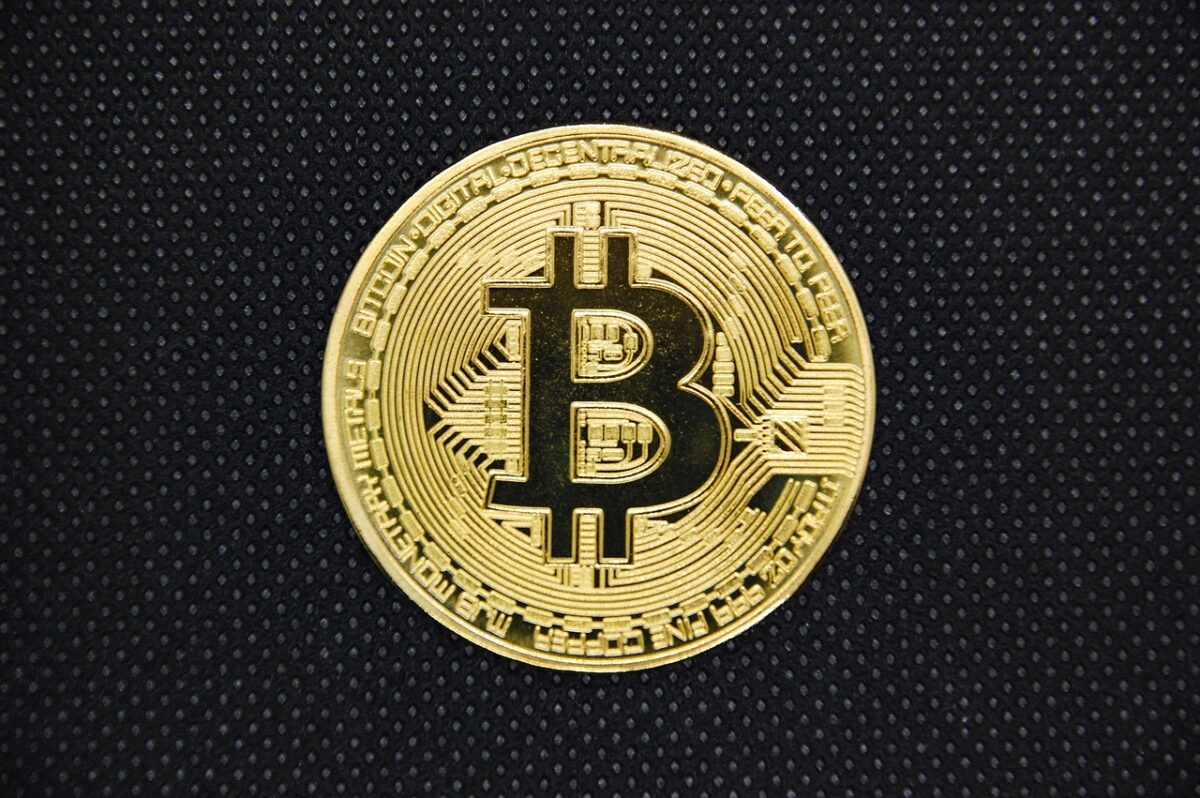
Bitcoin retains its position as the primary cryptocurrency by market capitalization and network security, yet numerous alternative coins introduce distinct features that challenge its dominance. These alternatives often experiment with different consensus mechanisms, transaction speeds, or privacy protocols, offering innovative solutions that diverge from the original blockchain design. Evaluating these technological distinctions provides a clearer understanding of each asset’s potential role within diversified investment portfolios.
The core technology underlying alternative tokens frequently targets scalability improvements or specialized use cases like smart contracts and decentralized finance. By examining parameters such as block time, throughput capacity, and protocol upgrades, one can identify how these currencies address limitations inherent in the pioneering digital asset. This technical scrutiny forms the basis for assessing their practical applicability beyond mere value speculation.
Investment strategies benefit from recognizing the balance between established stability and experimental growth represented by this spectrum of cryptocurrencies. While the dominant coin offers relative predictability due to widespread adoption and robust infrastructure, selecting promising alternatives involves analyzing their unique propositions and development trajectories. Such informed decisions hinge on comprehensive evaluation rather than superficial market trends.
Altcoins vs Bitcoin: A Technical and Market Perspective
For those evaluating digital asset portfolios, understanding the distinctions between the primary cryptocurrency and its numerous alternatives is fundamental. The leading decentralized currency retains significant market capitalization dominance, reflecting widespread adoption and network security. However, alternative tokens present diverse technological innovations and features that can enhance investment strategies depending on specific goals.
The pioneering cryptocurrency operates on a proof-of-work consensus mechanism securing a vast network of nodes globally, ensuring immutability and censorship resistance. This robustness underpins its status as a store of value but also introduces scalability limitations. Alternative cryptocurrencies often experiment with consensus algorithms such as proof-of-stake or delegated proof-of-stake, aiming to increase transaction throughput while reducing energy consumption.
Technical Features and Innovations
While the foundational protocol emphasizes decentralization and security, many alternative coins introduce expanded functionalities like smart contracts, privacy enhancements, or interoperability frameworks. For example, platforms built on programmable blockchain architectures enable decentralized applications (dApps), broadening use cases beyond peer-to-peer transfers. Privacy-centric projects implement zero-knowledge proofs or ring signatures to obscure transaction details without compromising validation integrity.
- Consensus Algorithms: Alternatives often adopt less resource-intensive mechanisms improving scalability.
- Smart Contract Capability: Some tokens provide programmable environments facilitating complex logic execution.
- Privacy Protocols: Enhanced anonymity features differentiate several competing networks from the original ledger system.
The market behavior of these assets frequently correlates with their technological distinctiveness and community support. Despite the dominant currency’s influence over overall capitalization–frequently exceeding 40-50%–many alternative tokens have experienced rapid growth phases driven by innovation cycles or sector-specific utility expansions such as decentralized finance (DeFi) or non-fungible tokens (NFTs).
An investment perspective requires rigorous analysis of volatility profiles alongside underlying project fundamentals. While the flagship digital currency displays relative stability in comparison to many alternatives due to liquidity depth and established trust metrics, some emerging networks offer higher risk-reward ratios based on innovative technology adoption curves or niche application targeting. Investors should consider tokenomics structures including issuance schedules and governance models impacting long-term value retention.
Also Read: Blockchain data storage
Cultivating an experimental approach by monitoring testnet activity, developer engagement levels, and real-world integration efforts provides valuable insights beyond price movements alone. Exploring practical implementations through sandbox environments or participating in governance voting can deepen understanding of how technical improvements translate into sustainable network evolution. Ultimately, balancing exposure between the dominant chain’s reliability and alternative protocols’ inventive potential aligns with informed portfolio diversification principles grounded in blockchain science.
Transaction Speed Differences
The disparity in transaction throughput between Bitcoin and numerous alternative cryptocurrencies arises primarily from their underlying consensus mechanisms and block parameters. Bitcoin’s Proof-of-Work algorithm, combined with a fixed block time of approximately 10 minutes and a block size limit of 1 MB, results in an average processing capacity of about 3 to 7 transactions per second (TPS). This deliberately conservative design prioritizes security and decentralization, but it inherently limits scalability and speed.
In contrast, many alternative networks employ varied technological innovations to enhance transaction velocity. For instance, some utilize shorter block intervals–Ethereum averages around 12 to 14 seconds per block, enabling significantly faster confirmations. Others implement consensus models such as Delegated Proof-of-Stake or Proof-of-Authority, which reduce computational intensity and improve throughput. These features collectively contribute to altcoins achieving TPS figures ranging from tens to several thousands.
Technical Mechanisms Affecting Throughput
The core determinants of transaction speed include block size, block interval time, and consensus protocol efficiency. Bitcoin’s 1 MB blocks restrict the volume of data processed per cycle, resulting in latency during network congestion. Alternative cryptocurrencies like Litecoin have doubled the block size to 2 MB with a 2.5-minute interval, effectively quadrupling the potential TPS compared to Bitcoin’s design.
Also Read: Blockchain immutability explained
Moreover, certain projects integrate layer-two scaling solutions or sharding technologies that partition the blockchain into smaller segments for parallel processing. For example:
- Lightning Network: A layer-two protocol designed for rapid off-chain transactions on Bitcoin’s network.
- Plasma Chains: Utilized by Ethereum-based projects to handle transactions off-chain while maintaining security guarantees.
- Sharding: Adopted by emerging platforms like Polkadot and Ethereum 2.0 to distribute transactional load across multiple shards.
The adoption of these approaches directly influences market competitiveness by addressing critical limitations inherent in legacy systems.
*Theoretical maximum under ideal conditions; actual rates vary based on network activity and hardware configurations.
The prevailing dominance of Bitcoin does not negate these technological trade-offs affecting transaction speed. Investors evaluating cryptocurrency portfolios should consider how alternative protocols address throughput challenges through innovative architectures without compromising security drastically. Such distinctions underline why some market participants allocate capital towards projects prioritizing rapid settlement capabilities alongside decentralization principles.
This experimental landscape invites further scrutiny: What combinations of consensus algorithms and architectural designs optimize both speed and trustworthiness? Investigating practical deployments such as Lightning Network channels or Ethereum’s evolving shard chains opens pathways for testing hypotheses about scaling limits in real-world environments. By tracking performance metrics over time within different ecosystems, analysts can develop nuanced strategies aligned with shifting user demands and technological advancements.
Market Capitalization Analysis
The cryptocurrency sector’s market valuation reveals significant disparities between the pioneering digital currency and its numerous alternatives. The leading blockchain asset consistently retains a dominant share, often exceeding 40% of the total capitalization of all tokens combined. This market dominance reflects robust investor confidence and widespread adoption rooted in its foundational technology, which prioritizes security and decentralization. Such features underpin its role as a reliable store of value, setting a benchmark for all other projects.
Alternative networks exhibit diverse valuation patterns influenced by their unique technological propositions and use cases. Some demonstrate rapid growth fueled by innovations such as smart contracts, scalability solutions, or privacy enhancements. However, their collective market share remains substantially lower compared to the primary network’s capitalization. This suggests that while they serve as viable complements or competitors, investors weigh factors like maturity, liquidity, and network effects when allocating capital.
Quantitative Breakdown of Market Shares
Examining recent data from major exchanges and aggregators provides insight into investment distribution across blockchain assets:
- Dominant Network: Approximately $600 billion market cap with high liquidity and widespread institutional involvement.
- Leading Alternatives: Some reach valuations near $50-100 billion, supported by active developer communities and expanding user bases.
- Smaller Projects: Hundreds possess caps under $1 billion, reflecting niche applications or early-stage experimentation.
This stratification illustrates how market forces reward proven technological frameworks while allowing room for experimental platforms to attract speculative interest and targeted investments.
An analytical approach can involve comparing transaction throughput, consensus mechanisms, and protocol upgrades alongside capitalization trends to understand investor priorities better. For example, networks adopting proof-of-stake models may gain favor due to energy efficiency improvements, potentially influencing future capital inflows. Tracking these metrics offers practical avenues for assessing whether an alternative platform could challenge or complement the incumbent leader in value retention and technological relevance.
Security Protocols Comparison Between Bitcoin and Alternative Cryptocurrencies
The evaluation of security mechanisms in leading cryptocurrency networks reveals distinct architectural choices that influence resilience and vulnerability. Bitcoin utilizes a Proof-of-Work (PoW) consensus algorithm with SHA-256 hashing, which has proven robust through extensive real-world operation and significant computational investment securing its blockchain. The decentralized mining network and high hash rate contribute to formidable resistance against 51% attacks and double-spending, setting a high bar for network security.
Alternative cryptocurrency projects often implement diverse consensus protocols such as Proof-of-Stake (PoS), Delegated Proof-of-Stake (DPoS), or hybrid models, aiming to optimize scalability and energy efficiency without compromising security. These designs introduce varying attack vectors; for example, PoS relies on economic incentives and staking power distribution, which can reduce energy consumption but might concentrate influence among large stakeholders. Evaluating the trade-offs between these mechanisms is essential when assessing their potential as sustainable alternatives in the market.
Technical Features Impacting Security Integrity
The dominant cryptocurrency’s reliance on cryptographic primitives like ECDSA signatures and Merkle trees ensures transaction integrity and auditability. Moreover, its block time averaging 10 minutes balances confirmation speed with sufficient time for network propagation, mitigating risks of chain forks. In contrast, alternative tokens frequently adjust block intervals or employ different signature algorithms such as Ed25519 to improve performance or quantum resistance considerations.
- Transaction Finality: The primary network’s probabilistic finality requires multiple confirmations, whereas many altcoins using PoS offer deterministic finality via checkpointing.
- Network Decentralization: The widespread distribution of mining nodes underpins the original coin’s security dominance; however, some newer chains face centralization concerns due to validator selection methods.
- Smart Contract Risk: Platforms supporting complex scripts introduce additional attack surfaces absent in simpler scripting systems employed by the leading coin.
A comparative study analyzing vulnerabilities found that while PoW chains have historically resisted majority attacks effectively due to high energy costs, certain PoS-based alternatives have encountered stake-grinding or long-range attacks under specific conditions. Protocol upgrades incorporating slashing penalties and randomized validator selection are active research areas addressing these weaknesses.
Empirical data from recent incidents highlight that while the flagship digital currency maintains consistent protocol stability with rare critical bugs, several alternative projects experienced exploits linked to immature codebases or insufficient peer review processes. This underscores the importance of rigorous testing frameworks and formal verification methods integrated into development cycles to uphold security guarantees across different blockchain technologies.
The technological evolution within this sector invites ongoing experimental validation of consensus models under diverse adversarial scenarios. For practitioners exploring blockchain security, replicating testnet environments simulating attacks such as selfish mining or eclipse attacks offers valuable insights into protocol robustness. Encouraging methodical experimentation fosters deeper understanding of how various design decisions impact long-term viability amid shifting threat landscapes associated with emerging cryptocurrencies challenging established dominance.
Use Case Variations Explained
The primary distinction in practical applications between the original cryptocurrency and its numerous alternatives lies in their technological foundations and targeted functionalities. The initial decentralized digital currency was designed mainly as a peer-to-peer payment system with an emphasis on security, scarcity, and censorship resistance. In contrast, many alternative tokens introduce expanded programmability through smart contracts, enabling decentralized finance (DeFi), non-fungible tokens (NFTs), and complex automated workflows that extend beyond simple value transfer.
Investment strategies should consider these functional divergences carefully. While the foundational coin maintains its role as a digital store of value with robust network effects and liquidity, other cryptocurrencies often pursue niche markets or specific technological innovations. For instance, some are optimized for faster transaction throughput or improved privacy features, while others focus on interoperability across blockchain ecosystems. Such specialization impacts their adoption potential and risk profiles within the broader market.
Technology-Driven Use Case Differentiation
The original decentralized ledger employs a proof-of-work consensus mechanism that prioritizes security but limits scalability due to energy consumption constraints. Alternative projects frequently experiment with proof-of-stake or delegated consensus models to enhance throughput and reduce environmental impact. These architectural choices directly affect transaction speed, cost, and decentralization levels, influencing which applications best suit each platform’s capabilities.
Smart contract platforms exemplify this variation by providing programmable environments capable of executing self-enforcing agreements without intermediaries. Ethereum’s virtual machine set a precedent here, enabling developers to create decentralized applications (dApps) spanning finance, gaming, supply chain management, and more. This contrasts with the initial cryptocurrency’s limited scripting language focused primarily on secure fund transfers rather than extensive programmability.
Market adoption patterns reveal clear use case segmentation based on technical features. For example:
- Privacy-focused coins implement advanced cryptographic techniques like zero-knowledge proofs to ensure transactional anonymity not achievable on transparent ledgers.
- Stablecoins peg value to fiat currencies using collateralized reserves or algorithmic mechanisms aimed at reducing price volatility for everyday transactions.
- Interoperability protocols prioritize seamless communication between different blockchains through cross-chain bridges or shared consensus layers.
This specialization highlights why investors must evaluate underlying technology stacks alongside use case viability when assessing alternative investments within the crypto ecosystem.
Investment Risk Assessment: Evaluating Cryptocurrency Dominance and Alternatives
The prevailing market dominance of the primary cryptocurrency significantly influences risk profiles for investment portfolios. Its established security protocols, network effects, and widespread adoption create a baseline of relative stability that alternative tokens often lack due to differing consensus mechanisms, liquidity depth, and regulatory scrutiny.
However, diversifying into non-primary digital assets introduces exposure to innovative technological features such as smart contract versatility, scalability solutions, and novel consensus algorithms. These characteristics can yield asymmetric returns but also amplify volatility and systemic vulnerabilities within the broader crypto ecosystem.
Key Technical Insights and Future Trajectories
- Network Security and Decentralization: The dominant protocol’s robust proof-of-work or proof-of-stake frameworks offer resilience against attacks; emerging platforms experimenting with hybrid models or sharding must be scrutinized for potential centralization risks impacting asset security.
- Liquidity and Market Depth: Investment in prominent tokens benefits from high transaction volumes facilitating efficient entry and exit; alternative coins often face liquidity constraints that can exacerbate price slippage under stress conditions.
- Technological Innovation: Protocols integrating layer-two solutions or cross-chain interoperability present compelling use cases that could redefine transactional throughput and user experience, warranting ongoing monitoring for long-term value capture.
- Regulatory Environment: The evolving legal frameworks targeting compliance requirements disproportionately affect lesser-known projects lacking institutional support, increasing counterparty risk in portfolio construction.
The dynamic between dominant currencies and their alternatives reflects a spectrum of trade-offs between maturity and experimental utility. Investors equipped with analytical rigor should continuously evaluate feature sets alongside market behavior metrics to identify shifts in dominance patterns that may signal structural changes within the cryptocurrency domain. Employing scenario-based assessments anchored in blockchain protocol fundamentals will facilitate adaptive strategies aligned with anticipated technological progressions and regulatory developments.
This approach encourages an investigative mindset: How might upcoming upgrades to consensus algorithms alter network security? Could integration of zero-knowledge proofs elevate privacy without compromising auditability? Such questions drive deeper exploration beyond surface-level valuations toward a granular understanding of underlying systems–empowering informed decisions amid inherent uncertainties of this rapidly advancing field.
You might also like